Data-Driven Customization: How Analytics Shape Promotions in Bingo and Poker Applications
Ines Friedrich · Nov 21, 2026
Data-Driven Customization: How Analytics Shape Promotions in Bingo and Poker Applications
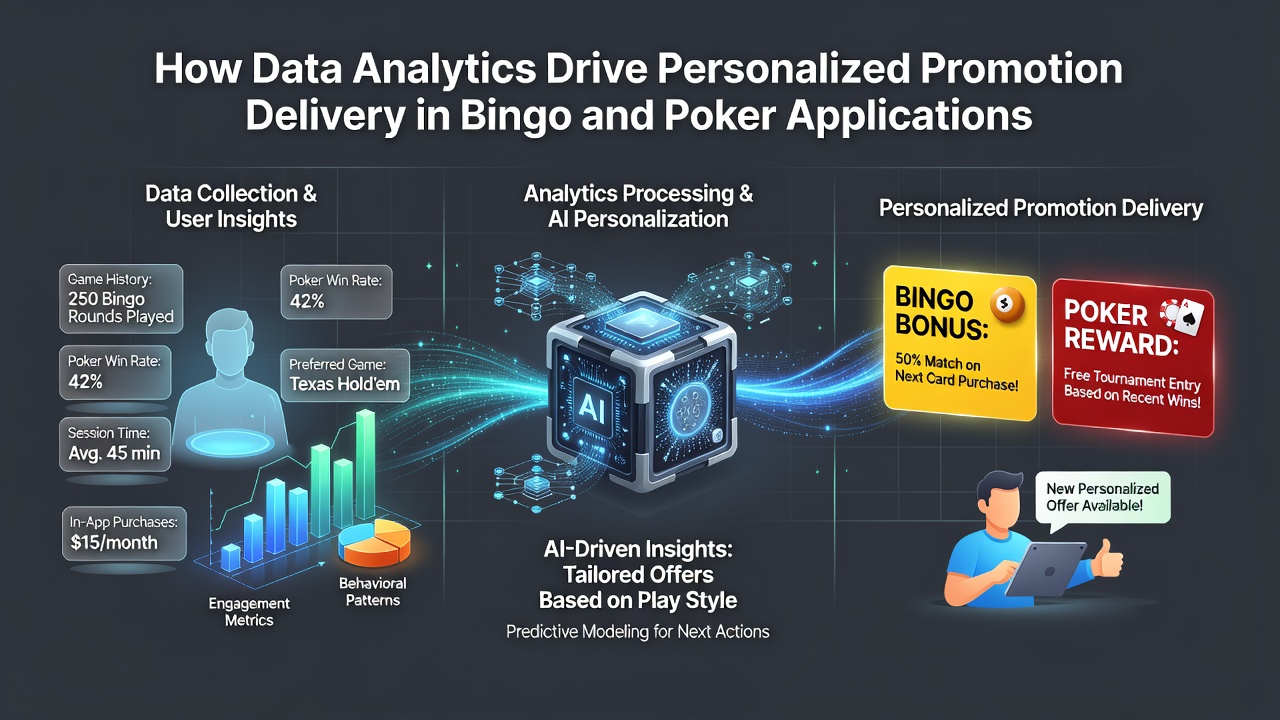
Operators in the bingo and poker sectors rely on extensive data collection systems to track player behavior across sessions, game choices, deposit patterns, and time spent on specific features, which allows platforms to segment users into detailed profiles that inform promotion timing and content. Research from academic institutions shows these profiles incorporate variables such as frequency of play, preferred game variants, and response rates to past offers, creating a foundation for targeted delivery rather than generic broadcasts.
Core Data Sources and Collection Methods
Platforms gather information through in-app tracking tools that log every interaction, from card draws in poker to number selections in bingo rooms, while external data from device types and geographic locations adds layers of context that refine audience grouping. Studies indicate this multi-source approach enables operators to identify clusters of similar players, such as those who engage heavily during evening hours or respond to bonus multipliers, which supports the creation of promotions matched to those patterns. In November 2026, industry reports noted expanded use of real-time APIs that pull live session data into analytics engines, shortening the gap between observed behavior and offer deployment.
Analytical Models Powering Personalization
Machine learning algorithms process the collected datasets to predict which promotions will generate the highest engagement for each segment, employing techniques like collaborative filtering that compare one player's history against thousands of others with overlapping traits. Evidence from research institutions reveals these models also factor in churn risk indicators, such as declining login rates, to trigger retention offers before players disengage. Observers note that clustering methods group bingo enthusiasts who favor chat features separately from poker users focused on tournament structures, allowing distinct promotion streams to emerge without overlap.
Implementation in Bingo Applications
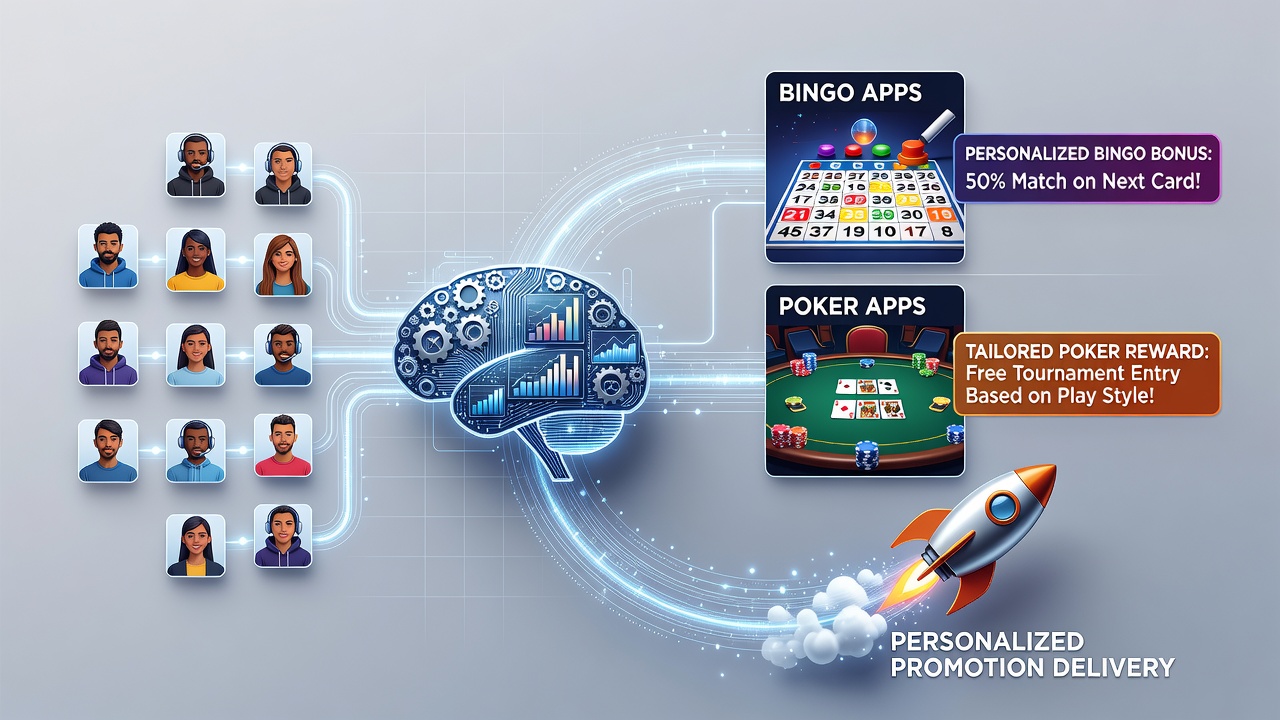
Bingo platforms apply analytics to adjust free ticket allocations based on individual participation levels, sending notifications for themed rooms to players whose past activity aligns with specific themes or prize structures. Data shows that timing these deliveries around peak activity windows increases redemption rates, while A/B testing of message variants refines wording and visual elements for different demographic slices. Those who've examined platform logs find that bingo apps often prioritize social elements in promotions for community-oriented players, contrasting with reward-focused offers for solo participants.
Applications Across Poker Platforms
Poker applications leverage similar analytics to customize tournament entry incentives and cash game bonuses according to skill level indicators derived from hand histories and win rates. Figures reveal that players demonstrating consistent aggression receive promotions tied to high-stakes events, whereas recreational users see offers centered on low-stakes freerolls that encourage extended play. What's interesting is how predictive models flag opportunities for cross-promotion, such as suggesting poker variants to bingo users who exhibit pattern-recognition tendencies in their gameplay logs.
Regulatory frameworks in various regions require operators to maintain transparency in data usage for promotion targeting, with bodies like the Alcohol and Gaming Commission of Ontario outlining standards for consent management and data retention periods. A report published by the Australian Gambling Research Centre examines how analytics integration affects responsible gambling measures, highlighting protocols that pause personalized offers when risk thresholds are detected through behavioral shifts. Industry associations such as the European Gaming and Betting Association provide guidance documents that detail best practices for balancing personalization with player protection requirements across member states.
Measurement of Promotion Effectiveness
Conversion tracking systems monitor uplift in deposits, session duration, and game variety following personalized deliveries, generating dashboards that compare performance against control groups receiving standard offers. Research indicates iterative refinement of these models occurs weekly, incorporating feedback loops from click-through data and subsequent play metrics to adjust weighting on variables like recency of activity. Observers note that poker apps frequently measure success through metrics tied to table occupancy and rake generation, while bingo platforms emphasize room fill rates and chat participation tied to promotional triggers.
Conclusion
Analytics integration continues to evolve the delivery mechanisms for promotions in bingo and poker applications by transforming raw interaction data into actionable segments that align offers with demonstrated preferences. Platforms maintain ongoing calibration of their models to accommodate shifts in player behavior while adhering to regional regulatory expectations on data handling. This systematic approach supports sustained engagement across both game types through precise timing and content matching.