Regulatory Variations Impacting Reward Codes in Poker and Bingo Niche Markets
Iris Wagner · Oct 24, 2026
Regulatory Variations Impacting Reward Codes in Poker and Bingo Niche Markets
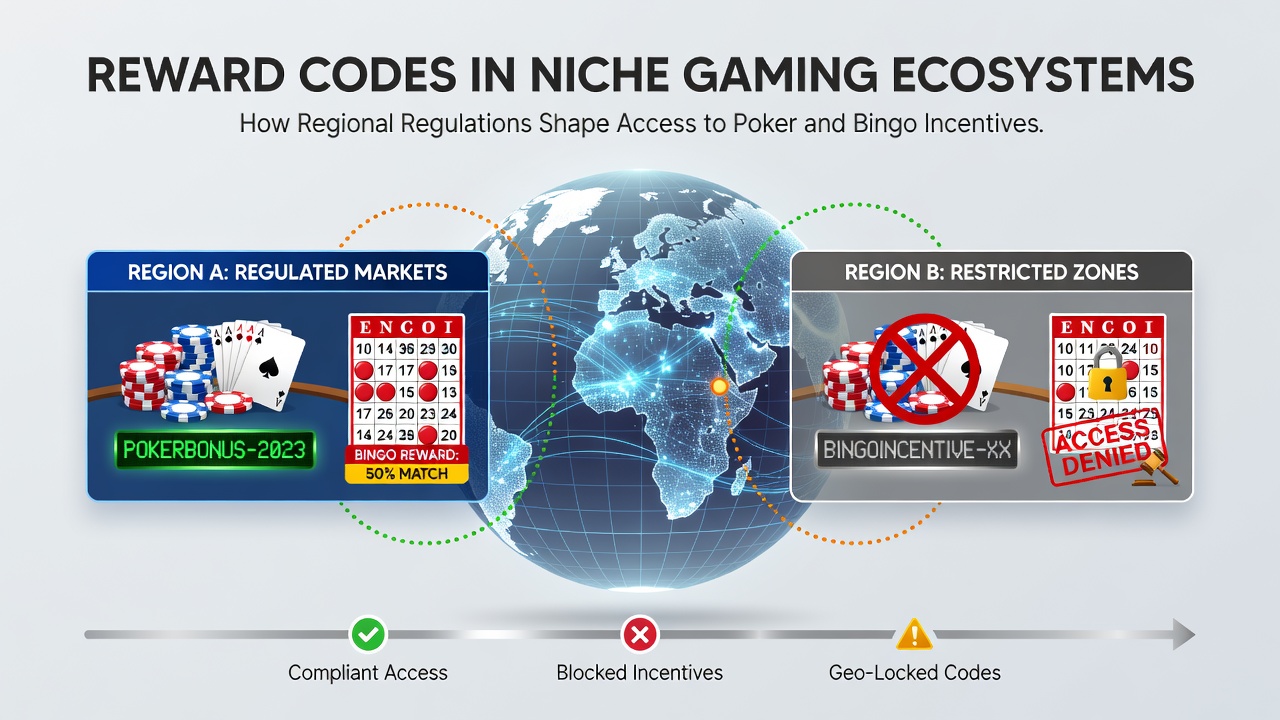
Regional regulations continue to determine how reward codes function within poker and bingo platforms that operate in specialized markets and the rules often create distinct access patterns depending on the jurisdiction involved. Operators must adjust their incentive structures to comply with local statutes while players encounter varying eligibility requirements based on their location and the specific licensing framework that applies.
Core Elements of Reward Codes in Specialized Gaming Environments
Reward codes serve as entry points to incentives such as deposit matches, free entries, and loyalty points in poker rooms and bingo halls that target particular player segments, and these codes typically activate through platform-specific systems that track usage against regulatory caps on bonuses. Data from industry reports indicates that platforms in tightly controlled areas limit code distribution to verified accounts whereas more permissive zones allow broader promotional reach through affiliate networks and direct marketing channels.
Observers note that poker ecosystems frequently tie reward codes to rakeback percentages and tournament entry incentives while bingo platforms link similar codes to ticket bundles and progressive jackpot contributions, and both formats must align with rules governing player funds segregation and advertising disclosures. Studies from academic research groups have shown that compliance costs rise sharply when operators expand across multiple regulatory boundaries because each region imposes unique reporting and verification standards.
North American Regulatory Approaches and Their Effects
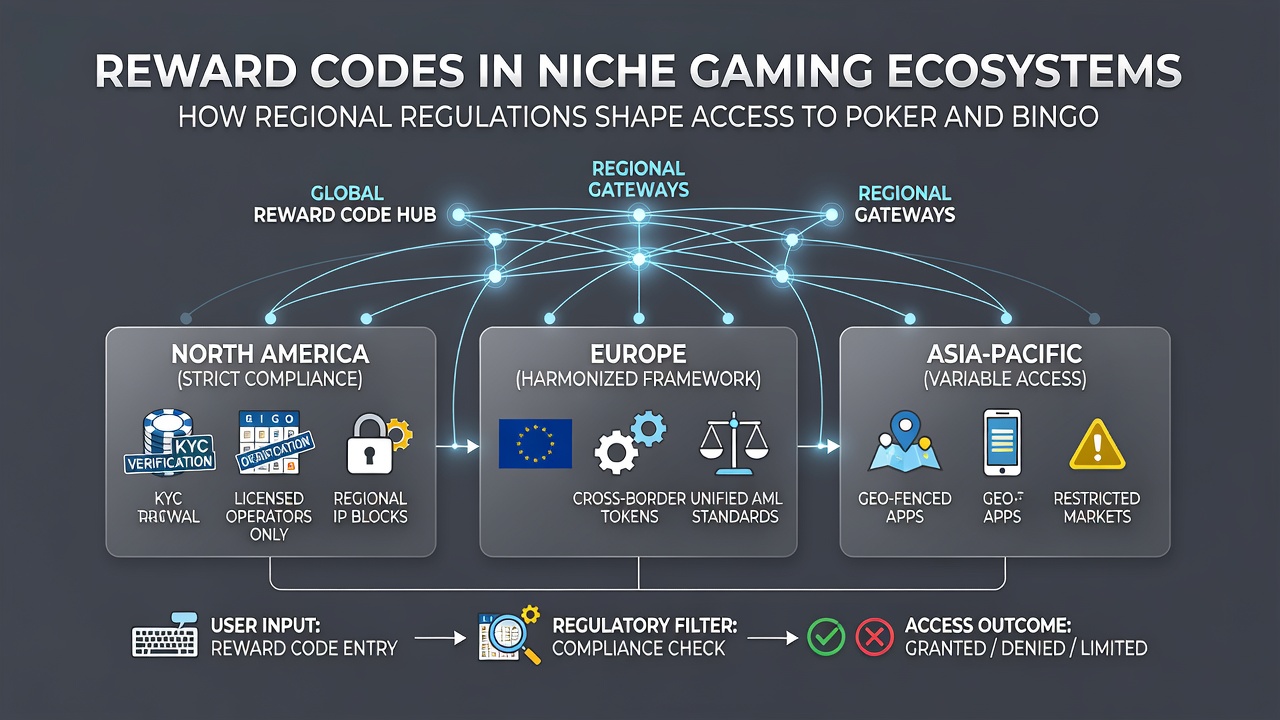
Canadian provinces maintain separate licensing regimes that directly influence reward code availability and Ontario's framework through the Alcohol and Gaming Commission of Ontario requires operators to submit promotional materials for review before codes can be issued to residents. This process often delays new incentive launches compared with jurisdictions that permit faster market entry for approved platforms.
In the United States several states operate under individual gaming control boards that set distinct boundaries on bonus promotions and New Jersey's Division of Gaming Enforcement publishes guidelines that restrict the value and frequency of reward codes tied to poker and bingo activities. Platforms serving multiple states therefore segment their code systems to prevent cross-border violations while still delivering targeted offers within each licensed market.
European and Asia-Pacific Regulatory Landscapes
European Union member states apply varying levels of oversight to online gaming incentives and Malta's regulatory authority has established clear parameters for reward code transparency that require operators to publish terms in multiple languages. Meanwhile certain Eastern European jurisdictions maintain more restrictive caps on bonus values which forces platforms to recalibrate their poker and bingo promotions accordingly.
Australian state and territory rules create additional layers of complexity because each jurisdiction handles gaming licensing independently and recent updates as of October 2026 have introduced stricter verification steps for reward code redemptions in several provinces. These changes have prompted operators to develop region-specific code portals that automatically filter offers based on player IP and account registration data.
Operational Adjustments by Platforms and Players
Platforms respond to these regulatory differences by maintaining separate reward code databases for each licensed region and they often partner with local compliance specialists to ensure every incentive meets disclosure and responsible gaming standards. Players who move between jurisdictions frequently discover that codes valid in one location become inaccessible after relocation because verification systems block activation outside the permitted territory.
Industry organizations such as the European Gaming and Betting Association have compiled comparative data showing that regions with centralized licensing tend to support more consistent reward code programs whereas fragmented regulatory environments lead to higher rates of offer fragmentation. Researchers at several universities have examined these patterns and found correlations between regulatory clarity and player retention metrics across poker and bingo segments.
Conclusion
Regional regulations continue to shape reward code access in poker and bingo ecosystems through licensing requirements, promotional caps, and verification protocols that differ by jurisdiction. Platforms adapt by segmenting their systems while players navigate varying eligibility rules that depend on their location and the specific statutes in force. As markets evolve, ongoing alignment between operators and regulators remains essential for maintaining functional incentive structures across niche gaming environments.