The Role of Timing Algorithms in Shaping Reward Code Windows for Digital Card Games
Iris Wagner · Nov 7, 2026
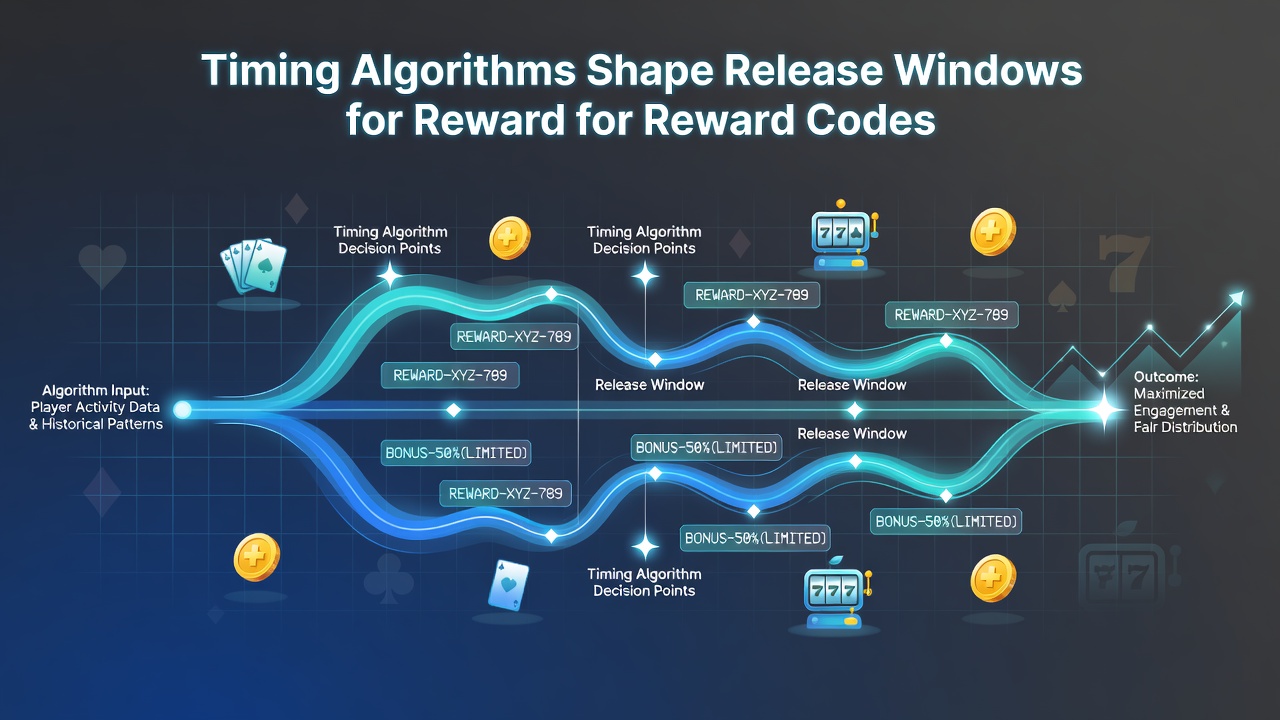
The Role of Timing Algorithms in Shaping Reward Code Windows for Digital Card Games
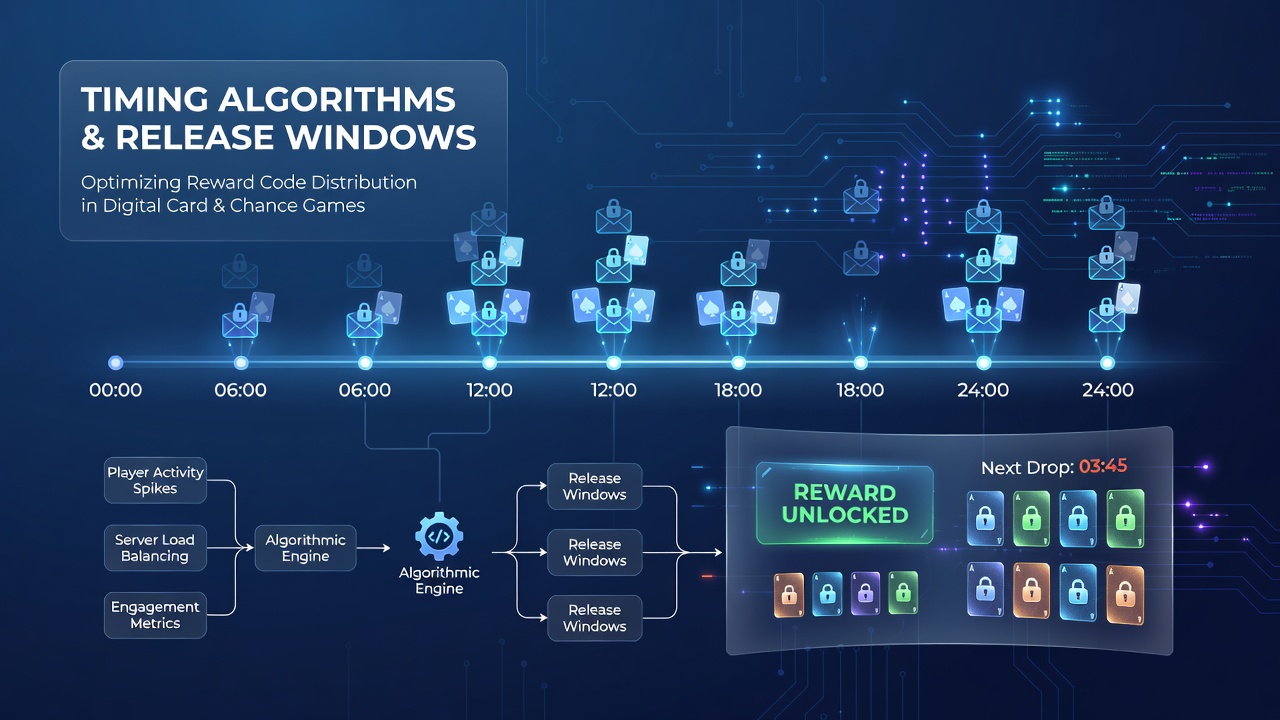
Timing algorithms control when reward codes become available in digital card and chance games through precise calculations based on player activity patterns, system load metrics, and predefined distribution rules that developers implement across platforms. These systems process vast datasets every second to adjust availability windows, which ensures codes reach users during periods of optimal engagement without overwhelming server resources. Data from industry reports shows that such algorithms factor in variables like peak login times, regional player distributions, and historical redemption rates to set dynamic schedules that shift weekly or even daily.
Core Components of Timing Algorithms
Developers design timing algorithms around several interconnected modules that include random number generators for code assignment, predictive analytics for demand forecasting, and feedback loops that monitor real-time usage. One module tracks user behavior across thousands of sessions, while another calculates release intervals using formulas that balance scarcity with accessibility. Researchers at institutions like the University of Nevada have documented how these components integrate with game engines to prevent simultaneous mass releases that could strain backend infrastructure. In practice, the algorithms often employ weighted priorities where active players receive earlier access during off-peak hours, which maintains fairness across different time zones.
Additional layers handle regulatory compliance by logging every code generation event with timestamps and player identifiers, a requirement enforced by bodies such as the Nevada Gaming Control Board. This creates audit trails that authorities review during periodic evaluations, and the data reveals patterns where release windows cluster around specific weekdays in certain markets. Observers note that November 2026 saw several platforms update these algorithms to incorporate machine learning refinements, allowing more granular adjustments based on emerging player cohorts.
Impact on Player Engagement Cycles
Release windows shaped by timing algorithms directly influence how players interact with digital card and chance games over extended periods. When codes drop during evening hours in major regions, participation spikes follow predictable curves according to telemetry collected by game operators. Studies from the Gaming Research Exchange indicate that staggered releases sustain longer session durations because users return repeatedly rather than exhausting all rewards in one sitting. Yet the same data shows that poorly calibrated windows lead to rapid drop-offs once codes expire, prompting developers to refine their models continuously.
Platforms operating across Europe and North America often synchronize their algorithms with local events or holidays, creating temporary shifts that align code availability with increased leisure time. This coordination relies on external data feeds that feed into the core timing logic, and figures from multiple operator networks confirm measurable lifts in retention metrics during these adjusted periods. Those who analyze player logs frequently observe that chance-based mechanics amplify the effect, since reward codes tied to card draws or random outcomes heighten anticipation around each release.
Technical Implementation Across Platforms
Implementation varies by platform size and regulatory environment, with larger operators deploying distributed computing resources to run timing calculations in parallel across global servers. Smaller developers may rely on cloud-based services that handle the heavy lifting while maintaining local caches for instant code validation. According to technical papers presented at gaming industry conferences, hybrid approaches combining on-premise processing with cloud scaling have become standard since 2024 because they reduce latency during high-traffic release events. The algorithms themselves use timestamp synchronization protocols to ensure consistency, preventing discrepancies where one region sees a code before another.
Security considerations also shape these systems, as timing algorithms incorporate encryption for code generation keys and anomaly detection to flag unusual redemption attempts. Data from the European Gaming and Betting Association highlights instances where synchronized global releases required additional safeguards against coordinated access attempts. In response, developers added jitter elements to release windows, introducing small random delays that disrupt predictable patterns without affecting overall fairness.
Future Developments and Adjustments
Looking ahead, timing algorithms continue to evolve with advances in predictive modeling and real-time data integration from wearable devices or mobile sensors that track user availability. Several operators announced expansions in late 2026 that test adaptive windows responding to individual play histories rather than aggregate trends. This shift builds on existing frameworks while introducing new variables that demand careful calibration to meet standards set by international regulatory groups. Evidence from pilot programs suggests these refinements could further stabilize engagement levels across diverse player bases.
Conclusion
Timing algorithms form the backbone of reward code management in digital card and chance games by orchestrating release windows through layered data analysis and regulatory adherence. Their ongoing refinement reflects broader industry movements toward precision and compliance, with documented updates continuing into November 2026 and beyond. Platforms that master these systems maintain steady player flows while meeting operational and legal requirements across multiple jurisdictions.